Wind power has now become the largest single source of electricity in Scotland. It makes a vital contribution to the low carbon economy and puts Scotland in the forefront of the energy transition, but it can have dramatic impacts on wildlife, people and places. How should eco-congregations respond to this challenge?
Machair Wind and the Iona Community
This blog looks at one controversial proposal, the offshore Machair windfarm, and the response of the Iona Community. The proposal from Scottish Power is to build an offshore windfarm with over 100 turbines, each over 300 metres high in the coastal waters of the southern Hebrides.-> Scottish Power Proposal <-
The proposal has generated much opposition from the islands closest to the development and a well organised campaign, Hebridean Horizon, has set out the arguments against the development -> Click to read <-
The Silver Award winning Iona Community has joined other islanders in objecting to the scheme. In their letter of objection, they make clear that they are not opposed to renewable energy:
‘We actively support the rapid, just transition to renewable energy. However, true justice cannot be achieved by sacrificing local ecological and human communities for administrative convenience, economic profit and extractive corporate practices.’
You can read the full letter of objection from the Iona Community – > here
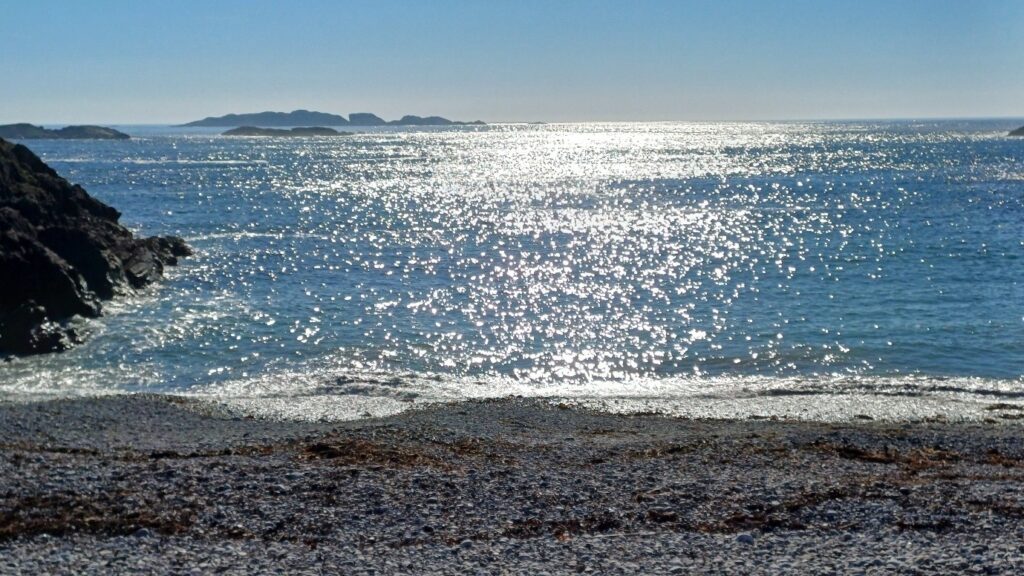
Columba’s Bay, Iona.
The proposed development of Machair Wind will be in these waters to the southwest of the island. Photo: Adrian Shaw
What is your opinion?
Large windfarm developments make a vital contribution to the low carbon economy, but the Iona Community argue that the MachairWind proposal would have an impact in an area of great sensitivity. The Hebridean islands and their sea are of international importance for history, culture and ecology. The spiritual associations of Iona and other sites of early Christian worship are uniquely significant in Scottish history.
One purpose of the planning system is to resolve such conflicts and the right to object is an important part of the process. While the issues raised are difficult, it is important the eco-congregations do not shy away from engagement in such difficult issues, whether for or against. It is not hypocritical to support wind power but to oppose a development that may have damaging impacts on landscapes, wildlife or communities; particularly where, as in this case, the impacts are not just of local but international significance.
This blog post was submitted by Adrian Shaw, Eco-Congregation Scotland Trustee.